
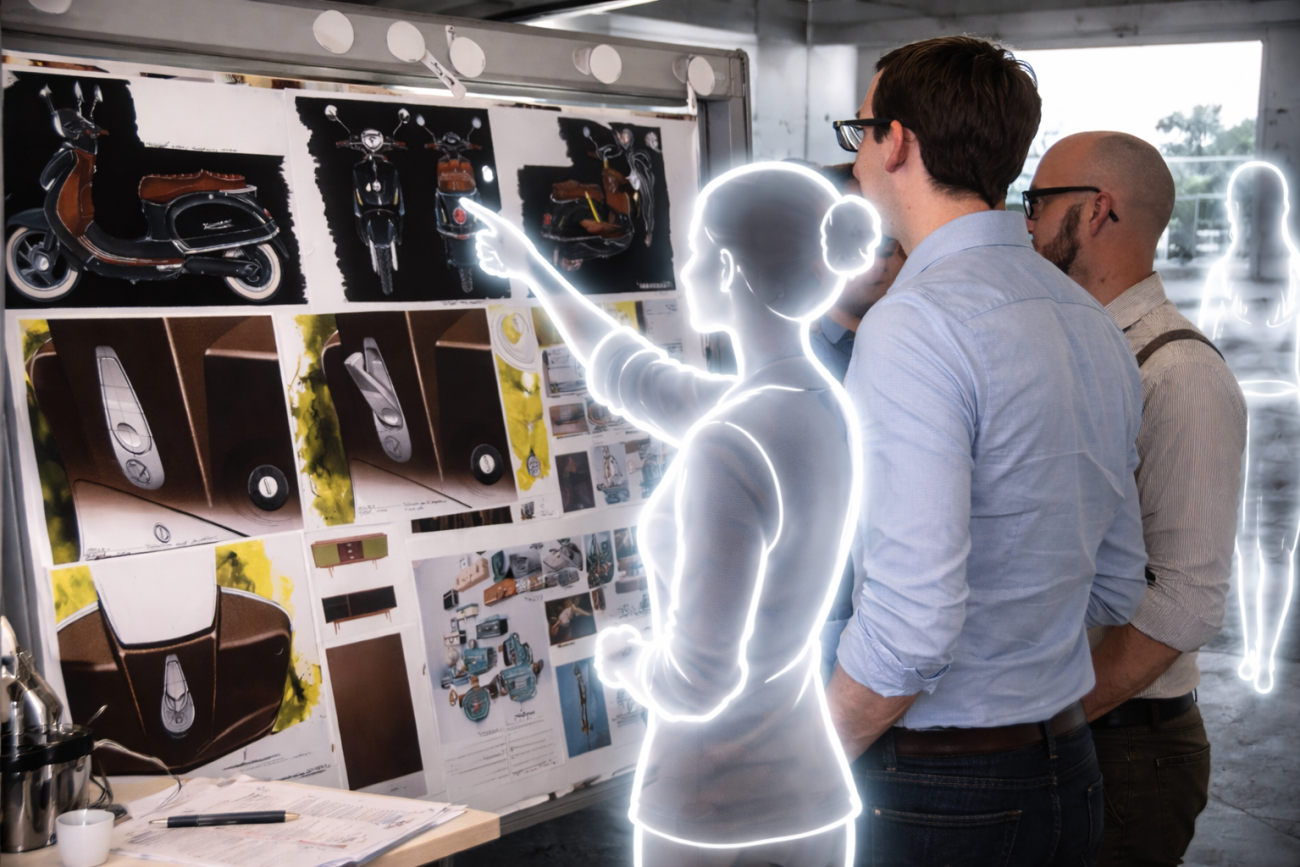
This week we are celebrating both International Women’s Day and Mother’s Day, prompting many conversations about the role women play across industries, communities and families. It is also a timely opportunity to reflect on an important issue within the design sector itself – the gender gap in product design and engineering.
Despite progress in recent years, women remain underrepresented across many technical disciplines, particularly in engineering, industrial design, and product development roles. While this imbalance is often discussed from a diversity and inclusion perspective, it also has a direct impact on innovation itself.
Simply put, who designs products influences what gets designed.
Representation Shapes What Reaches the Market
Product design is fundamentally about understanding people and solving real problems. Designers aim to create solutions that improve everyday experiences. But when the teams developing those solutions lack diverse perspectives, is it fair to say that certain needs can be overlooked?
Historically, many industries have been shaped by teams dominated by male engineers and designers. As a result, products have sometimes been developed around assumptions that do not fully reflect the needs of the broader population.
Examples of this have appeared across multiple sectors. Personal protective equipment has frequently been designed using male body data as the standard. Medical research and testing have historically focused more heavily on male physiology. Even consumer products and workplace tools can miss practical considerations that affect different users.
These gaps are rarely intentional. More often, they emerge simply because the voices and experiences around the design table are too similar.
Diverse Teams Drive Better Innovation
The most successful design teams bring together people with different experiences, disciplines and perspectives. When teams are more diverse, assumptions are challenged and new insights emerge.
In practice, this leads to products that are:
- More intuitive for a wider range of users
- Better aligned with real-world behaviours
- More innovative and commercially competitive
At its core, good product design is about empathy – understanding how people interact with products in real environments. The broader the perspectives within a design team, the stronger that empathy becomes.
This is particularly important in sectors such as healthcare, consumer products and workplace equipment, where subtle differences in physical needs or behaviours can significantly influence how a product performs.
The Opportunity for the Design Industry
Encouraging more women to pursue careers in engineering, design and technology is not just about representation. It is about strengthening the innovation ecosystem.
As industries evolve and new technologies emerge, the demand for human-centred, inclusive product design continues to grow. Bringing more voices into the development process allows teams to explore problems from new angles and uncover opportunities that may otherwise remain hidden.
For organisations investing in innovation, this represents a significant opportunity. Diverse teams tend to ask better questions, challenge assumptions earlier and ultimately design products that serve broader markets.
Designing a More Inclusive Future
Great products solve real problems for real people. Achieving that requires understanding the diversity of experiences that shape how products are used.
Closing the gender gap in product design will not happen overnight. But by encouraging more women into technical roles, supporting inclusive design cultures and valuing different perspectives, the industry can build stronger teams and better products.
Because ultimately, the more perspectives involved in the design process, the better the solutions we create.
If you are developing a new product and want to ensure it truly meets the needs of its users, working with experienced designers can help translate diverse insights into practical, market-ready solutions.
You can start by booking a product strategy call with the ITERATE team:
https://iterate-uk.com/product-strategy-call/

Jenni Manning
ITERATE Business Development Executive
Stay in the Know
Do you want to stay updated on our latest projects, client insights, future tech trends, and social media highlights? Join ITERATE’s monthly mailing list!