
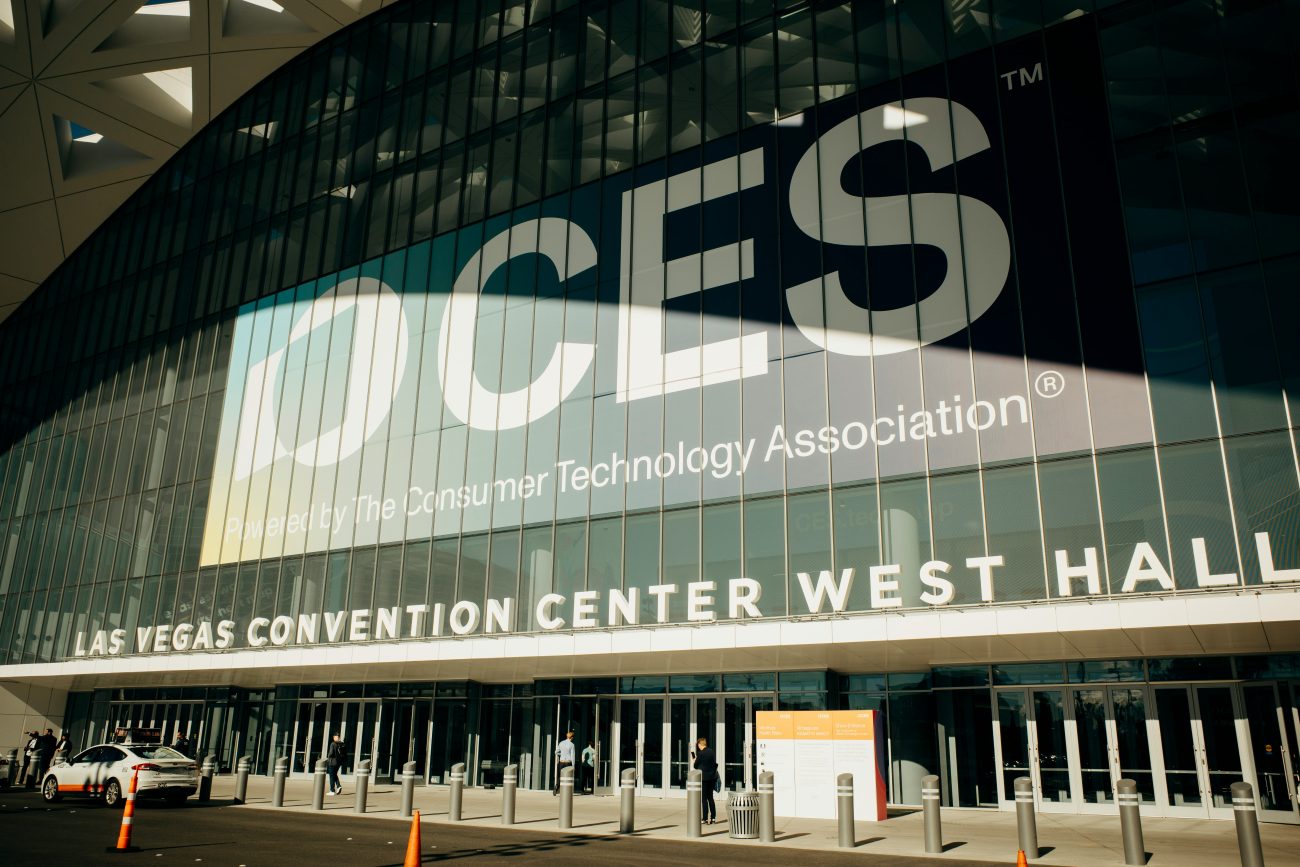
Every CES produces its share of impressive prototypes. But step back from individual launches and a clearer picture emerges. One that says far more about the future of product design than any single gadget ever could.
For designers, engineers and innovation leaders, CES 2026 offered some clear signals. Not about novelty, but about how user expectations, regulation, sustainability and manufacturability are quietly reshaping what successful products need to be.
Here are five themes that stood out, and why they matter for those building real products with purpose, not just concepts.
Consumer Health Diagnostics Edge Closer to MedTech
One of the strongest signals this year was the rise of consumer-facing diagnostic devices that look approachable and intuitive, yet behave more like medical tools. Compact urine analysers, breath-based sensors, and vision or hearing screening devices are increasingly designed for use at home.
The real challenge here is not artificial intelligence. It is hardware credibility. Sample handling, hygiene, calibration, repeatability and user error all become critical. These products underline the importance of designing for trust and accuracy from the outset, particularly when regulatory pathways are likely to follow consumer adoption rather than lead it.
Modular and Repairable Electronics Make a Quiet Return
After years of sealed enclosures and disposable design, modularity is back in focus. Several products at CES showcased electronics designed for repair, upgrade, or component replacement. These are driven by regulation, sustainability targets, and changing consumer expectations.
For design teams, this is far from straightforward. Modular products demand careful thinking around architecture, fasteners, tolerances, materials and assembly strategies. But they also unlock longer lifecycles, new service models, and clearer sustainability credentials. This shift reinforces that sustainability is now a structural design challenge, not a marketing layer added at the end.
Smart Home Products Learn to Stay Quiet
The smart home category is maturing. The most interesting products were not shouting about connectivity, but demonstrating adaptive behaviour. Devices that learn routines, respond contextually and reduce the need for constant user input stood out.
This evolution introduces new design challenges. How does a product communicate what it has learned? How does it build trust without overwhelming users with settings and notifications? These questions highlight the growing importance of physical interaction design and subtle feedback in AI-driven products.
Advanced Materials Take Centre Stage
Some of the most compelling gadgets at CES 2026 stood out not because of what they did, but what they were made from. Bio-based polymers, recycled composites, lightweight alloys and specialist coatings are increasingly appearing in everyday consumer, medical, and industrial products.
Materials are no longer a secondary consideration. Early material strategy now shapes performance, sustainability, manufacturing routes and cost. Choosing the right material early can be the difference between a scalable product and one that struggles to reach market.
Looking Beyond the Gadgets
CES 2026 reinforced a simple message. The future of product design is not about adding more technology, but about integrating it responsibly. The products that succeed will balance usability, manufacturability, regulation and sustainability from day one.
For innovators and businesses bringing new products to market, the challenge is turning these signals into commercially viable solutions while managing risk along the way.
If you are exploring a new product opportunity and want to de-risk your journey from idea to market, speak with the ITERATE team. Learn how we can help you design, prototype and manufacture with confidence.
https://iterate-uk.com/product-strategy-call/

Jenni Manning
ITERATE Business Development Executive
Stay in the Know
Do you want to stay updated on our latest projects, client insights, future tech trends, and social media highlights? Join ITERATE’s monthly mailing list!