Not long ago, product design followed a familiar pattern.
A team researched a problem. They developed concepts. They refined a solution. They launched it into the world and hoped it resonated.
The customer’s role was simple – choose it, buy it, use it.
But something fundamental is shifting.
Artificial intelligence is no longer just accelerating internal design workflows. It is beginning to sit alongside the consumer, shaping the product in real time. And that changes everything.
We are moving from designing products to designing intelligent design systems.
The Quiet Emergence of Co-Creation
AI co-design is already appearing across multiple industries.
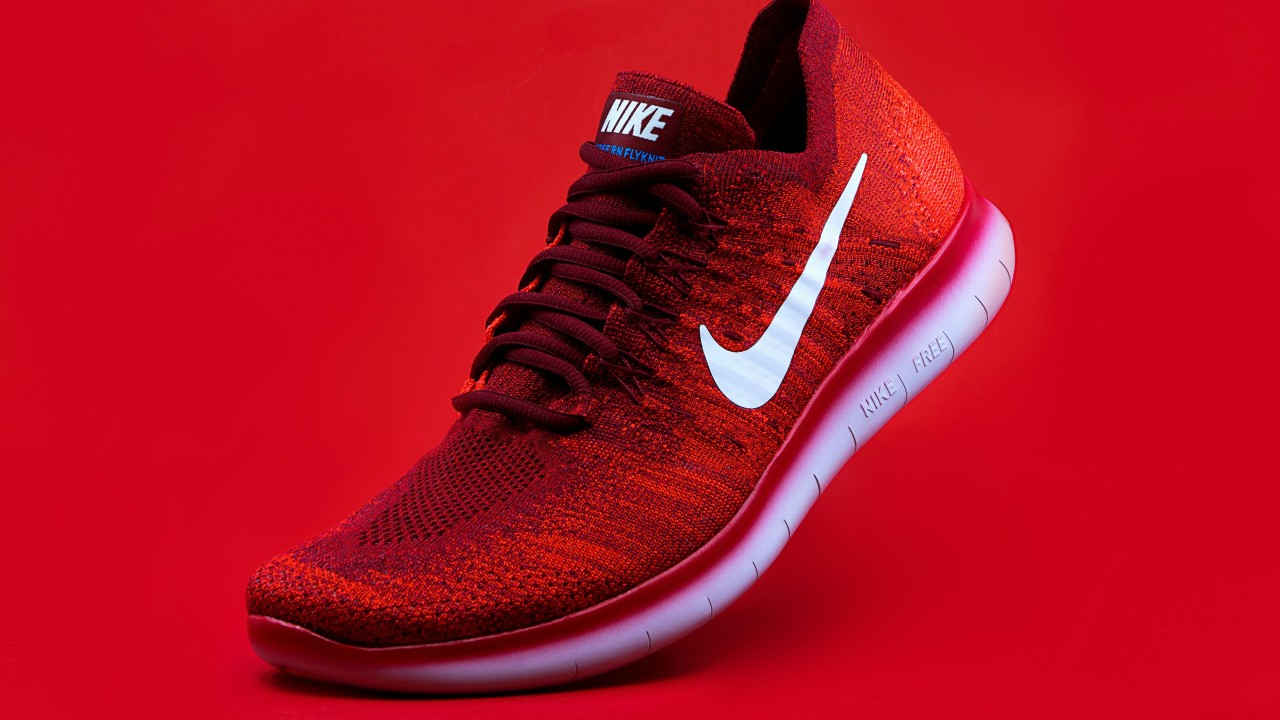
Sportswear brands like Nike and Adidas have long allowed surface-level customisation. But the next generation goes further. Algorithms now analyse fit data, biomechanics, usage patterns, and performance goals to recommend configurations optimised for the individual.
In automotive, software-driven companies such as Tesla are demonstrating how products can adapt after purchase. Features evolve. Interfaces respond to behaviour. Configuration is no longer a one-time decision – it becomes continuous.
Meanwhile, generative design platforms powered by AI are allowing furniture, interior, and consumer tech brands to generate structurally optimised, materially efficient variations instantly.
The customer is no longer just selecting options.
They are shaping outcomes.
The Designer’s Role Is Evolving
This does not eliminate the designer. It elevates the designer.
Instead of crafting a single solution, the designer now defines:
- The design rules
- The constraints
- The performance parameters
- The aesthetic boundaries
- The regulatory safeguards
In other words, the designer becomes the architect of a system within which thousands of viable variations can exist.
This is particularly powerful when paired with additive manufacturing and parametric modelling. When tooling is no longer the limiting factor, variation becomes economically feasible.
For consultancies like ITERATE ®, this opens a profound opportunity. Designing the product is one challenge. Designing the intelligent ecosystem that allows safe, scalable, compliant co-creation is another entirely.
Where AI Co-Design Makes the Most Sense
Not every industry will adopt this model at the same speed.
AI co-creation lends itself best to sectors where:
- Personal fit or performance materially affects outcomes
- Emotional ownership enhances value
- Digital twins and parametric models already exist
- Manufacturing can accommodate controlled variation
In my view, there are three areas stand out.
1. Consumer Products
From fitness equipment to kitchen appliances, personalisation increases perceived value. AI could allow customers to adjust ergonomics, material choices, or sustainability settings while staying within validated design constraints.
The brand becomes a platform for co-creation.
2. Medical Devices
This is where it becomes transformational.
Orthotics, prosthetics, wearable diagnostics, and home monitoring systems are inherently personal. No two patients are identical. AI-assisted configuration could tailor geometry, sensitivity thresholds, interface layouts, or comfort features based on patient-specific data.
But here lies the complexity.
In regulated industries, co-design must sit within ISO-accredited, risk-managed development frameworks. Liability, validation, and compliance cannot be crowdsourced. The system must ensure every variation remains within approved clinical and safety boundaries.
This is not consumer-level customisation. It is structured, de-risked, clinically validated adaptation.
And that is where robust stage-gated development pathways become critical.
3. Additive Manufacturing
AI co-design becomes commercially viable when manufacturing is flexible.
With additive manufacturing, one geometry can differ from the next without retooling. That makes personalised cycling components, orthopaedic supports, protective equipment, and performance wear not just technically possible but scalable.
The economic barrier to variation collapses.
The Strategic Implications
The shift from product to design system raises bigger questions.
Who owns the intellectual property when AI generates the variation?
Who carries liability when a consumer influences configuration?
How do you validate thousands of potential variations under regulatory frameworks?
How do you maintain brand coherence when customers shape the outcome?
These are not minor operational questions. They are strategic board-level discussions.
Yet the opportunity is undeniable.
Consumers increasingly expect personalisation. They are accustomed to digital platforms adapting around them. As products become smarter and more connected, the line between product and service continues to blur.
The companies that succeed will not simply bolt AI onto existing models. They will rethink their product architecture from the ground up.
They will design for co-creation.
Designing the Future Responsibly
At ITERATE ®, we see AI not as a shortcut, but as a force multiplier – when embedded within a structured, ISO-accredited, stage-gated development process.
AI can accelerate feasibility assessment. It can optimise geometry. It can surface insights faster than traditional research cycles.
But it must sit within a framework that de-risks development, validates assumptions, and protects compliance.
The future is not designers versus AI.
It is designers building intelligent systems that allow consumers to participate – safely, strategically, and sustainably.
The real question is not whether AI will co-design products.
It is whether your product architecture is ready for it.
If you are exploring how AI-driven co-creation could accelerate innovation while maintaining regulatory and commercial robustness, book a Product Strategy Call with ITERATE:

Gethin Roberts
ITERATE Business Development Executive
Stay in the Know
Do you want to stay updated on our latest projects, client insights, future tech trends, and social media highlights? Join ITERATE’s monthly mailing list!